Innovative 3D Printed Art Crafting Unique Prototypes

3D printing has transformed the way artists and designers bring their ideas to life. It offers a fresh approach to creating prototypes that are not only functional but also visually striking. This technology allows for the rapid production of complex shapes and intricate details that traditional methods struggle to achieve. For creators who want to push the boundaries of their craft, 3D printing opens doors to new possibilities.
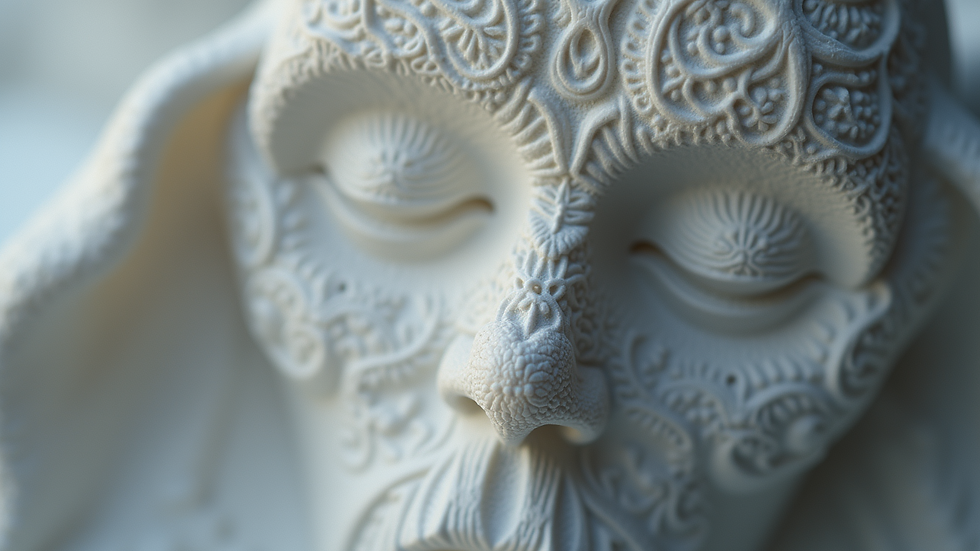
How 3D Printing Changes Artistic Prototyping
Before 3D printing, artists often relied on handcrafting or molding techniques that took weeks or months to perfect a prototype. These methods limited experimentation due to time and material costs. With 3D printing, artists can quickly produce multiple versions of their designs, test different shapes, and refine details with ease.
This speed and flexibility encourage more creativity. Artists can explore complex forms like interlocking parts, hollow structures, or organic shapes that would be difficult or impossible to create by hand. The ability to print directly from digital models also means that ideas can be shared and modified globally without losing precision.
Materials and Techniques for Artistic Prototypes
3D printing offers a variety of materials suited for different artistic needs:
PLA and ABS plastics: Common and affordable, ideal for initial prototypes and colorful models.
Resins: Provide smooth finishes and fine details, perfect for delicate sculptures.
Metal powders: Used in industrial printers for strong, durable pieces with a unique metallic look.
Flexible filaments: Allow for prototypes that bend or compress, useful for wearable art or functional parts.
Artists often combine multiple printing techniques to achieve their desired effect. For example, a base structure might be printed in plastic, then coated or painted to add texture and color. Some use post-processing methods like sanding, polishing, or assembling printed parts to enhance the final piece.
Designing for 3D Printed Art
Creating a successful 3D printed prototype starts with good design. Artists use software like Blender, Rhino, or Tinkercad to build digital models. These programs let users sculpt, modify, and test designs before printing.
Key design considerations include:
Wall thickness: Ensuring parts are thick enough to print without breaking.
Support structures: Planning for temporary supports that hold overhanging sections during printing.
Detail level: Balancing fine details with printer resolution limits.
Assembly: Designing parts to fit together if the prototype is printed in pieces.
By understanding these factors, artists can avoid common printing errors and reduce wasted materials.
Examples of Unique 3D Printed Art Prototypes
Several artists and designers have used 3D printing to create remarkable prototypes:
Sculptural jewelry: Designers craft intricate rings and pendants with complex lattice structures that are lightweight yet strong.
Architectural models: Miniature buildings with precise details help architects visualize projects and present ideas to clients.
Wearable art: Custom-fit masks, costumes, and accessories printed to exact measurements for performances or exhibitions.
Functional prototypes: Artists build moving parts or interactive elements that demonstrate how a final product will work.
These examples show how 3D printing supports both aesthetic and practical goals in art.
Tips for Artists Starting with 3D Printing
If you want to explore 3D printed prototypes, here are some practical tips:
Start simple: Begin with basic shapes to learn how your printer handles different designs.
Experiment with materials: Try various filaments or resins to find what works best for your style.
Use online resources: Many communities share free models and advice that can help you improve.
Plan for post-processing: Printing is just one step; sanding, painting, or assembling can elevate your prototype.
Collaborate with experts: If you don’t own a printer, local makerspaces or print services can provide access and guidance.
The Future of 3D Printed Art Prototypes
As 3D printing technology advances, artists will gain access to new materials and faster machines. This progress will make it easier to produce prototypes that are closer to finished artworks. We may see more integration of electronics, sensors, or smart materials, allowing prototypes to interact with their environment.
The growing availability of affordable printers also means more artists can experiment with 3D printing without large investments. This democratization will likely lead to more diverse and innovative creations.
Exploring 3D printed art prototypes offers a chance to rethink how ideas become reality. By combining digital design with physical creation, artists can unlock new forms and functions. Whether you are a sculptor, designer, or hobbyist, embracing 3D printing can expand your creative toolkit and help you craft truly unique prototypes. Take the first step by experimenting with simple designs and materials, then build on your successes to create more complex works. The future of art is being printed layer by layer.


Comments